
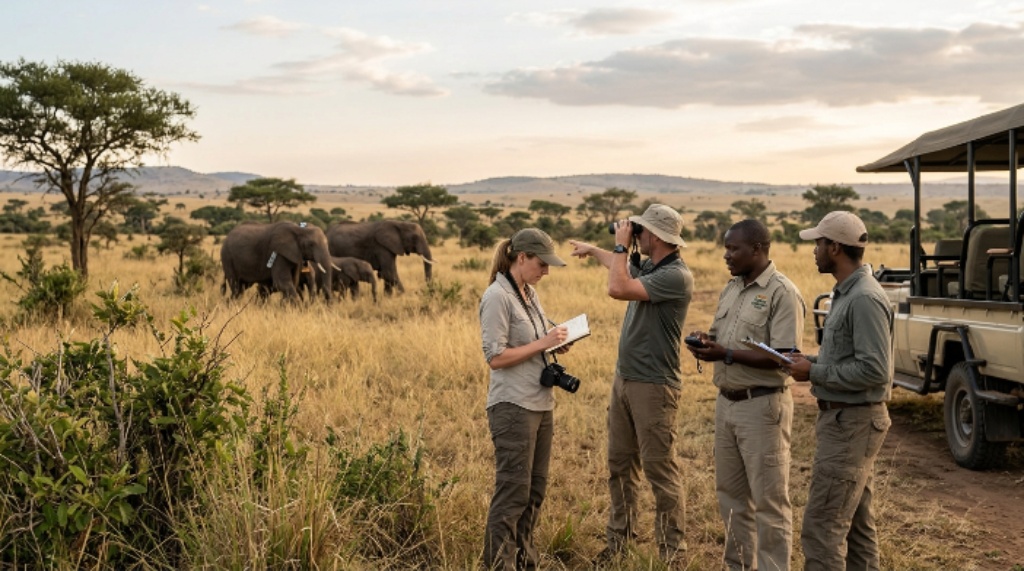
Wildlife and conservation focused travel experiences let you explore nature while helping protect habitats and local communities. The best trips support ethical wildlife viewing, trained guides, protected areas, and conservation programs instead of entertainment based on captive animals.
Nature based tourism continues growing because travelers want meaningful outdoor experiences with lasting environmental value. Protected natural areas welcome billions of visits every year, while nature tourism supports millions of jobs worldwide. These experiences also create funding for habitat restoration, wildlife monitoring, and community projects. As a result, responsible travel gives visitors unforgettable memories while encouraging long term conservation. Choosing ethical operators and respecting wildlife ensures every journey creates positive environmental and social benefits.
Why Wildlife Conservation Travel Matters
Wildlife tourism can protect biodiversity when managed responsibly. Visitor spending often supports park maintenance, research, and habitat restoration.
Healthy ecosystems also strengthen local economies. Therefore, communities gain stronger reasons to preserve forests, wetlands, grasslands, and marine environments instead of exploiting them.
Responsible tourism increases public appreciation for endangered species. Consequently, more travelers become lifelong supporters of conservation efforts after returning home.
Benefits for Travelers
Wildlife focused trips create unforgettable learning opportunities. Visitors observe animals behaving naturally instead of performing for entertainment.
Natural environments also reduce stress and encourage mindfulness. Fresh air and peaceful surroundings improve the overall travel experience.
Furthermore, expert guides explain animal behavior, ecosystems, and conservation challenges. Travelers leave with practical knowledge instead of simple vacation memories.
Benefits for Local Communities
Responsible tourism creates sustainable employment opportunities. Local residents work as guides, conservation officers, hospitality staff, and wildlife researchers.
Income from visitors often funds schools, healthcare, and infrastructure. Therefore, conservation becomes valuable for both people and wildlife.
Community involvement also reduces illegal hunting and habitat destruction. Local families benefit when wildlife remains healthy and protected.
Types of Wildlife and Conservation Focused Travel Experiences
National Park Safaris
National parks protect large populations of native wildlife. Guided safaris allow safe observation without disturbing natural animal behavior.
Visitors often encounter mammals, birds, reptiles, and unique plant species. Every season offers different viewing opportunities.
Marine Conservation Tours
Marine experiences include whale watching, dolphin observation, coral reef snorkeling, and sea turtle conservation activities. Responsible operators follow strict wildlife interaction guidelines.
These tours also teach visitors about ocean pollution and reef restoration. Consequently, travelers better understand marine conservation challenges.
Bird Watching Adventures
Bird watching attracts travelers seeking peaceful outdoor experiences. Protected wetlands and forests support hundreds of colorful bird species.
Experienced guides identify birds through calls, behavior, and habitat. This activity requires patience but rewards careful observation.
Wildlife Photography Tours
Photography tours prioritize ethical wildlife observation. Guides position visitors safely without stressing animals.
Participants also learn camera techniques for natural environments. Better photographs often inspire stronger conservation awareness afterward.
Volunteer Conservation Programs
Volunteer experiences combine travel with meaningful conservation work. Activities may include habitat restoration, wildlife monitoring, or beach cleanup projects.
Participants develop practical environmental skills during their stay. Meanwhile, conservation organizations receive valuable volunteer support.
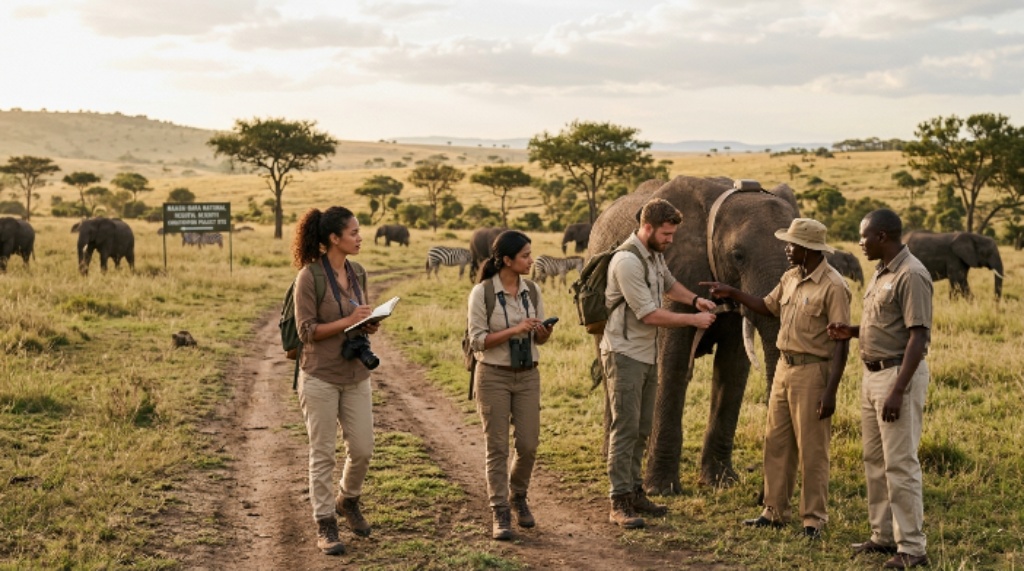
How to Choose Responsible Wildlife Experiences
Ethical travel begins with careful planning. Select operators that prioritize conservation above entertainment.
Look for these important qualities:
- Small visitor groups
- Certified naturalist guides
- Support for local conservation projects
- Respectful wildlife viewing distances
- No feeding or touching wild animals
- Clear environmental policies
- Community partnerships
- Sustainable accommodation practices
Choosing responsible providers protects wildlife while improving visitor experiences.
Signs of Ethical Wildlife Tourism
Animals remain completely free in their natural habitats. Guides never encourage unsafe interactions.
Tours maintain respectful viewing distances. Therefore, wildlife continues normal daily behavior without unnecessary stress.
Operators also educate visitors throughout the journey. Learning becomes equally important as sightseeing.
Warning Signs to Avoid
Avoid attractions allowing direct contact with wild animals. Physical interaction often harms wildlife welfare.
Stay away from businesses promoting unnatural performances. Entertainment should never replace conservation goals.
Ignore operators encouraging animal feeding for photographs. Artificial feeding changes natural behavior and creates long term problems.
Preparing for Your Wildlife Adventure
Preparation improves safety and enjoyment. Appropriate clothing helps travelers remain comfortable throughout changing weather conditions.
Pack practical items before departure:
- Comfortable hiking shoes
- Reusable water bottle
- Lightweight rain jacket
- Binoculars
- Camera with extra batteries
- Sun protection
- Insect repellent
- Small first aid kit
Careful packing reduces unnecessary waste during your trip.
Wildlife Viewing Etiquette
Respecting animals protects both visitors and ecosystems. Quiet observation always produces better wildlife encounters.
Never chase animals for closer photographs. Instead, allow wildlife to approach naturally whenever possible.
Remain on designated trails throughout protected areas. This practice prevents habitat damage and protects sensitive vegetation.
Dispose of waste responsibly every time. Even small amounts of litter threaten wildlife health.
Supporting Conservation Beyond Your Visit
Your conservation efforts should continue after returning home. Sharing responsible travel experiences encourages others to make better choices.
Support organizations protecting endangered species through donations or volunteer work. Small contributions create meaningful long term results.
Purchase locally produced souvenirs whenever possible. Local businesses benefit directly from sustainable tourism income.
Continue learning about wildlife conservation through books, documentaries, and educational programs. Knowledge encourages lifelong environmental responsibility.
Technology Improving Wildlife Conservation
Modern technology strengthens conservation efforts across protected areas. Camera traps monitor wildlife without disturbing natural behavior.
Satellite tracking helps scientists understand migration patterns. Better information supports stronger conservation planning.
Drones also assist habitat monitoring in difficult landscapes. Rangers respond more quickly to environmental threats.
Mobile applications help visitors identify wildlife species responsibly. Digital tools improve education without affecting natural habitats.
Common Challenges Facing Conservation Tourism
Climate change affects habitats across many ecosystems. Wildlife populations must adapt to changing environmental conditions.
Illegal hunting continues threatening endangered species. Conservation funding remains essential for stronger protection efforts.
Overcrowding also creates pressure in popular destinations. Therefore, travelers should consider visiting lesser known protected areas.
Responsible visitor behavior reduces environmental impact significantly. Every individual contributes to better conservation outcomes.
How Families Can Enjoy Conservation Travel
Families benefit from educational outdoor experiences together. Children develop stronger appreciation for wildlife through direct observation.
Many parks offer junior ranger activities and guided educational walks. Interactive learning makes conservation enjoyable for younger visitors.
Parents should teach respectful wildlife behavior before every trip. Good habits begin with simple outdoor experiences.
Conclusion
Wildlife and conservation focused travel experiences offer much more than sightseeing. They create meaningful adventures while protecting habitats, supporting communities, and preserving biodiversity for future generations. Every responsible travel decision strengthens conservation efforts and encourages sustainable tourism. Plan your next nature adventure carefully, choose ethical operators, and become part of protecting the world’s incredible wildlife for years to come.
FAQs
What is wildlife conservation tourism?
It is responsible travel that supports wildlife protection, habitat conservation, and local communities.
Is wildlife tourism good for conservation?
Yes, ethical wildlife tourism provides funding and public support for conservation programs.
How can I identify responsible wildlife tours?
Choose operators that protect habitats, avoid animal contact, and support conservation projects.
Should I feed wild animals during tours?
No, feeding wild animals changes natural behavior and may harm their health.
What should I bring on a wildlife conservation trip?
Bring comfortable clothing, binoculars, sun protection, water, and environmentally friendly travel supplies.