
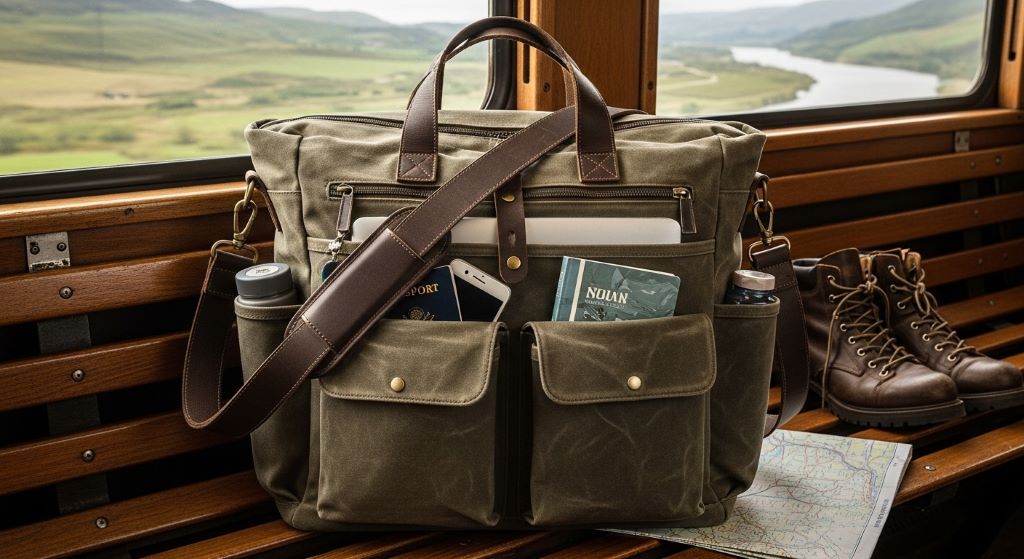
Travel has evolved significantly over the past few years, and so have the bags we carry. Tote bags have emerged as one of the most versatile and practical options for modern travelers. They offer easy access, ample storage, and a style that transitions seamlessly from airport terminals to city streets. However, finding the perfect tote for your adventures requires understanding what features matter most.
This guide will help you navigate the world of travel totes in 2026. You’ll discover what makes a tote truly travel-worthy and how to choose one that fits your specific needs. Whether you’re a weekend warrior or a frequent flyer, the right bag can transform your travel experience from stressful to seamless.
Why Tote Bags Have Become Essential Travel Companions
The rise of tote bags in the travel world isn’t accidental. These versatile carriers solve many problems that traditional luggage can’t address. Unlike rigid suitcases, totes squeeze into tight spaces and adapt to varying loads. They’re easier to carry through crowded airports and can be packed flat when not in use.
Modern travelers appreciate the accessibility totes provide. Everything you need stays within reach without digging through multiple compartments. This feature becomes invaluable during security checks, boarding processes, and those moments when you need something quickly.
Additionally, totes have shed their purely utilitarian image. Today’s designs blend functionality with aesthetics, allowing you to maintain your personal style while traveling. Many people now choose totes as their primary carry-on, relegating traditional bags to checked luggage status.
Essential Features to Look for in Travel Totes
Not all tote bags are created equal, especially when it comes to travel. Certain features separate occasional-use bags from reliable travel companions. Understanding these distinctions helps you make a smart investment.
Durability stands at the top of the list. Travel subjects bags to constant wear, from being shoved under airplane seats to being dragged across various surfaces. Look for reinforced stitching, quality zippers, and materials that resist tears and water. Canvas, ballistic nylon, and treated leather typically offer the best longevity.
Size matters more than many travelers realize. Airlines have specific carry-on dimensions, and your tote should fit within these limits while maximizing storage. The ideal travel tote measures approximately 15 to 18 inches wide, 12 to 15 inches tall, and 6 to 8 inches deep. This size accommodates essentials without becoming unwieldy.
Weight is another critical consideration. An empty bag shouldn’t eat into your weight allowance. Lightweight materials like nylon or polyester work better for frequent travelers than heavy leather or thick canvas. Every ounce you save on the bag itself means more room for your belongings.
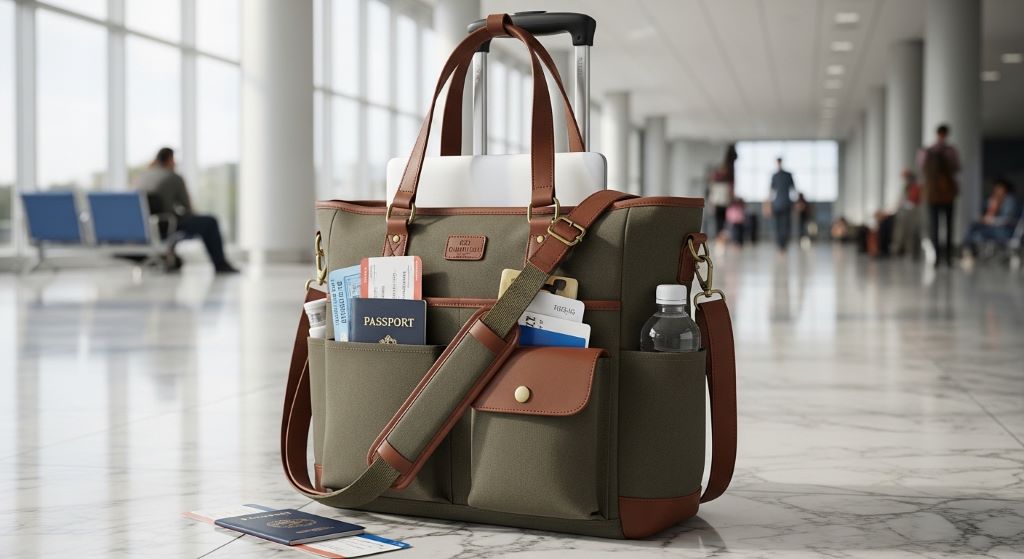
Compartmentalization improves organization dramatically. Internal and external pockets keep items separated and accessible. Look for dedicated spaces for laptops, water bottles, phones, and passports. These organizational features prevent the frustrating experience of rummaging through a jumbled mess while standing in line.
Understanding Material Options and Their Benefits
The material your tote is made from affects everything from durability to maintenance. Each option offers distinct advantages and drawbacks that suit different travel styles.
Nylon combines lightweight construction with impressive durability. It resists water naturally and cleans easily with a damp cloth. Furthermore, nylon totes often cost less than leather alternatives while lasting just as long. The main drawback is that some nylon bags lack the sophisticated appearance business travelers prefer.
Canvas provides a classic look with substantial durability. Waxed or treated canvas offers water resistance while maintaining breathability. These bags develop character over time, with wear patterns adding to their appeal. However, canvas tends to be heavier than synthetic alternatives and requires more care to maintain.
Leather delivers unmatched style and improves with age when properly maintained. Quality leather withstands years of use and handles professional environments beautifully. The downsides include higher cost, increased weight, and sensitivity to water and scratches. Leather requires regular conditioning and careful storage.
Polyester offers an excellent middle ground between nylon and canvas. Modern polyester can be quite durable and often incorporates recycled materials, appealing to environmentally conscious travelers. It’s lightweight, affordable, and available in countless colors and patterns.
Hybrid designs combine multiple materials to maximize benefits. For instance, a bag might feature nylon sides for lightness, leather handles for durability, and a waterproof bottom panel for protection. These combinations often represent the best value in trending bags.
Security Features That Matter
Travel exposes your belongings to various security risks. The right tote incorporates features that protect your valuables without sacrificing convenience.
Zipper closures are non-negotiable for travel totes. Open-top designs might work for daily errands but leave your possessions vulnerable during travel. Look for quality zippers, preferably from reputable manufacturers like YKK, which resist jamming and breaking.
Lockable zippers add another layer of security. Small loops on zipper pulls allow you to attach travel locks, deterring opportunistic thieves. This feature becomes particularly valuable when traveling through crowded areas or leaving your bag in overhead compartments.
Hidden pockets provide secure storage for passports, cash, and credit cards. These concealed compartments, often located inside the bag or disguised as seams, make it harder for pickpockets to access your valuables. Some designs include RFID-blocking pockets that prevent electronic theft of credit card information.
Slash-resistant materials or wire mesh reinforcement protect against a common theft method where thieves cut through bag fabric to steal contents. While not every traveler needs this level of security, it’s worth considering if you frequently visit areas with high theft rates.
Comfort and Carrying Options
A bag’s comfort directly impacts your travel experience. Even the most well-designed tote becomes a burden if it’s uncomfortable to carry for extended periods.
Handle length and thickness significantly affect comfort. Handles should be long enough to shoulder-carry comfortably while wearing a jacket. Padded handles distribute weight better and prevent the painful indentations that thin straps create. Some bags offer multiple handle lengths for versatility.
Detachable shoulder straps transform totes into crossbody bags, distributing weight more evenly across your body. This option reduces strain during long walks through airports or cities. Look for adjustable straps that accommodate different heights and preferences.
Trolley sleeves have become increasingly common in travel gear. These rear panels slide over rolling suitcase handles, allowing you to stack your tote on your wheeled luggage. This feature dramatically reduces the effort required when moving through airports with multiple bags.
Base stability prevents your tote from tipping over when set down. A structured bottom, reinforced sides, or protective feet keep the bag upright and your belongings organized. This seemingly small detail makes a surprising difference in daily use.
Style Considerations for Different Travel Types
Your travel style should influence your tote selection. Different trips demand different features and aesthetics.
Business travelers need professional-looking bags that transition from planes to meeting rooms. Leather or high-quality synthetic materials in classic colors like black, navy, or gray work best. These bags should accommodate laptops, documents, and business essentials while maintaining a polished appearance.
Adventure travelers prioritize durability and weather resistance over style. Rugged materials, multiple pockets for gear, and easy-clean fabrics suit active trips. Earth tones and practical designs work well for outdoor adventures where fashion takes a backseat to function.
Leisure travelers can embrace more variety in colors, patterns, and styles. These totes might feature trendy designs or unique details that express personality. However, functionality shouldn’t be sacrificed entirely for aesthetics, even on vacation.
Minimalist travelers prefer streamlined designs without excessive pockets or embellishments. Simple, clean lines with just enough organization for essentials appeal to those who pack light and value simplicity.
Evaluating Brands and Price Points
The market offers tote bags at every conceivable price point. Understanding what different price ranges typically deliver helps you set realistic expectations.
Budget options under fifty dollars often provide basic functionality without premium features. They work well for occasional travelers or those wanting to test whether tote-style travel suits them. However, durability and special features may be limited.
Mid-range bags between fifty and one hundred fifty dollars typically offer the best value. They incorporate quality materials, thoughtful design, and useful features without luxury brand premiums. Many excellent travel totes fall into this category.
Premium bags above one hundred fifty dollars deliver superior materials, construction, and often include warranties. Designer names add to the cost, but independent quality brands also occupy this space. These bags represent long-term investments that should last for years.
Consider cost per use rather than just the sticker price. A two-hundred-dollar bag used weekly for five years costs less per trip than a fifty-dollar bag replaced annually. Factor in durability, warranty coverage, and how well the bag meets your needs.
Sustainable and Eco-Friendly Options
Environmental consciousness has influenced travel gear significantly in 2026. Many travelers now prioritize sustainability when making purchasing decisions.
Recycled materials have become mainstream in bag manufacturing. Polyester made from recycled plastic bottles performs as well as virgin materials while reducing environmental impact. Many brands now highlight their use of recycled fabrics and sustainable production methods.
Ethical manufacturing practices matter to conscious consumers. Brands that ensure fair wages, safe working conditions, and transparent supply chains appeal to socially responsible travelers. Certifications like Fair Trade or B Corporation status indicate commitment to ethical practices.
Durability itself represents a sustainable choice. Buying one quality bag that lasts five years creates less waste than purchasing five cheap bags over the same period. Additionally, well-made bags often can be repaired rather than replaced when minor issues arise.
Some companies offer repair services or take-back programs for their products. These initiatives extend product life and keep materials out of landfills. Supporting brands with circular economy models contributes to more sustainable travel practices.
Testing and Choosing Your Perfect Tote
Once you’ve narrowed your options, thorough evaluation ensures you make the right choice. Don’t rush this decision, as the perfect bag will accompany you on countless adventures.
Visit stores to handle bags in person whenever possible. Photos don’t convey weight, fabric texture, or how zippers operate. Physically examining bags reveals details that online descriptions miss.
Pack the tote as you would for actual travel. Bring or imagine carrying your typical items to ensure everything fits comfortably. Check whether your laptop, toiletries, change of clothes, and other essentials fit with room to spare.
Read reviews from travelers with similar needs. Someone who flies weekly offers different insights than a once-yearly vacationer. Look for comments about long-term durability, how features hold up over time, and any unexpected issues.
Consider warranty coverage and return policies. A generous warranty indicates manufacturer confidence in their product. Flexible return policies let you test the bag for a few trips before committing fully.
Conclusion
Finding the best tote bag for travel in 2026 involves balancing functionality, durability, style, and price. The ideal bag depends on your specific travel patterns, personal preferences, and budget. However, certain features like quality construction, appropriate size, security elements, and comfortable carrying options benefit all travelers.
Take time to assess what matters most for your journeys. Business travelers need different features than adventure seekers or leisure vacationers. Understanding these distinctions helps you focus on bags that truly meet your needs rather than settling for general-purpose options.
Remember that the best trending bags and travel gear combine timeless design with modern features. Don’t be swayed solely by current fashion if a bag doesn’t meet practical travel requirements. Conversely, don’t sacrifice all style for pure function if aesthetics matter to your travel experience.
Invest in quality when your budget allows. A well-made tote serves you faithfully for years, making the initial cost worthwhile. With careful selection and proper care, your travel tote becomes a trusted companion on adventures around the world.
Frequently Asked Questions
Can a tote bag replace my carry-on suitcase completely?
Yes, many travelers successfully use totes as their sole carry-on. However, this works best for short trips or minimalist packers. Choose a tote at the maximum carry-on size with excellent organization. For longer trips, consider using a tote as a personal item alongside a small rolling bag for optimal flexibility.
How do I clean and maintain my travel tote?
Cleaning methods depend on your bag’s material. Most nylon and polyester totes can be spot-cleaned with mild soap and water. Canvas bags may be machine washable, but check manufacturer instructions first. Leather requires specialized cleaners and conditioners. Empty your bag regularly, wipe down interiors, and address spills immediately to prevent staining.
What size tote works best for international travel?
International carry-on restrictions vary by airline, but most allow bags around 22 x 14 x 9 inches. A tote measuring approximately 18 x 14 x 7 inches fits comfortably within these limits while maximizing storage. Always check specific airline requirements before traveling, as budget carriers often have stricter size limitations.
Are expensive designer totes worth it for travel?
Designer totes often feature superior materials and construction, but you’re also paying for brand prestige. Mid-range brands frequently offer comparable quality at lower prices. If the design speaks to you and fits your budget, luxury bags can be worthwhile investments. However, excellent travel totes exist at every price point.
Should I choose a tote with or without a laptop compartment?
If you travel with a laptop, a dedicated padded compartment provides valuable protection and organization. However, if you don’t carry electronics or prefer using a separate laptop sleeve, a simpler design might suit you better. Consider your typical packing list when deciding which features you’ll actually use regularly.
Related Topics:
Best Time to Visit Maui: Ideal Seasons for Weather, Activities And Deal
Egypt Tours and Travel: Plan Your Visit