Key Takeaways
- Nearly half of Americans plan vacations requiring flights or paid lodging each summer.
- Travelers expect to spend nearly $4,000 per person on average this year.
- Most travelers plan to take money-saving steps before their trip.
- Travel insurance matters more given rising health and disruption concerns.
- Simple planning steps help prevent common vacation-related stress.
Planning a vacation should feel exciting, not stressful. However, many trips run into avoidable problems due to poor preparation. Costs, health concerns, and last-minute surprises can quickly derail an otherwise enjoyable trip. In this article, we will explore essential things to consider before your next vacation. We will also share useful research, practical tips, and answers to common questions.
Why Vacation Planning Deserves Careful Attention
Vacation demand continues rising steadily across most travel markets. Nearly half of Americans plan to take a vacation requiring flights or paid lodging this summer. This represents well over 120 million travelers heading somewhere new.
Spending expectations reflect this strong demand as well. Travelers expect to spend an average of $3,940 per person on flights and lodging alone. This adds up to hundreds of billions in total travel spending this year. Therefore, careful planning matters significantly given these rising costs.
International travel demand also remains strong globally. 93% of surveyed travelers planned to travel internationally, with many planning multiple trips. Additionally, domestic travel continues growing steadily year over year. This shows vacations remain a top priority despite economic pressures.
Cost-conscious behavior has become increasingly common among travelers. Nearly 90% of travelers plan to take some action to reduce trip costs. This reflects growing awareness that smart planning can significantly affect overall vacation expenses.
Overall, these trends show vacations remain highly valued, but budgets require careful attention. Therefore, thoughtful planning helps travelers enjoy meaningful trips without unnecessary financial stress. Simple preparation steps can make a significant difference in overall satisfaction.
Set a Realistic Budget Early
Budgeting early prevents many common vacation-related stresses. Many travelers underestimate total costs before booking their trip. Therefore, setting a clear budget upfront helps avoid unpleasant surprises later.
Travel spending expectations vary across different travelers. About a third of respondents expect to spend more on travel this year than previous years. Meanwhile, roughly half expect spending to remain about the same. This shows spending habits differ significantly based on individual circumstances.
Price-conscious behavior remains common among many travelers. Nearly a third intentionally travel during off-season periods to save money. Additionally, many travelers look specifically for special offers or early booking discounts. These strategies can meaningfully reduce overall vacation costs.
However, not everyone prioritizes budget constraints equally. Some travelers report having no specific budget limitations when planning their trip. Therefore, understanding your own financial priorities helps guide smarter planning decisions from the start.
Here are simple ways to set a realistic vacation budget:
- Research average costs for flights, lodging, and activities beforehand.
- Set aside extra funds for unexpected trip expenses.
- Consider off-season travel dates to reduce overall costs.
- Look for early booking discounts before finalizing plans.
A realistic budget helps you enjoy your trip without unnecessary financial worry afterward.
Research Your Destination Thoroughly
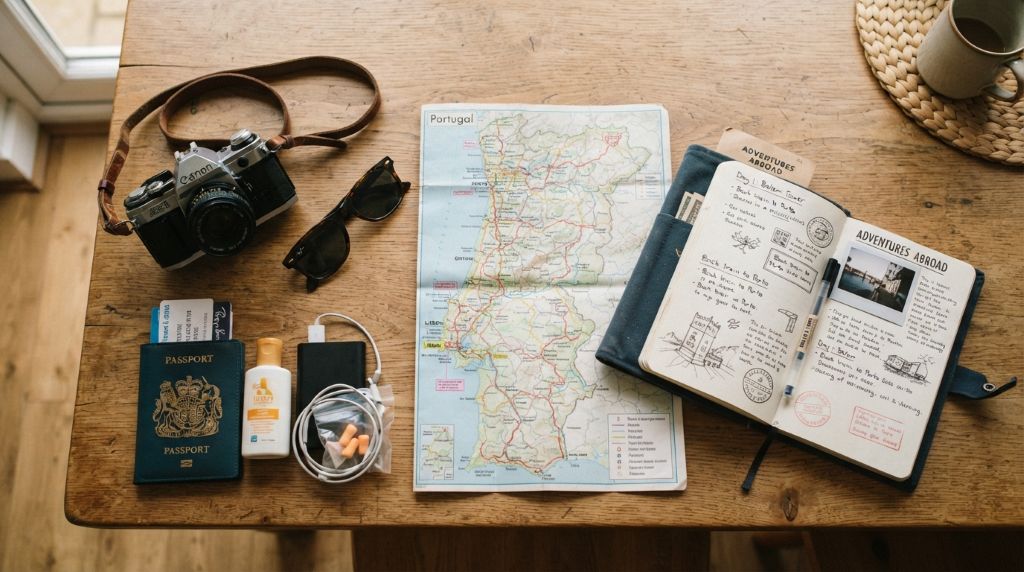
Thorough destination research improves both enjoyment and trip logistics. Many travelers now prioritize unique, locally inspired experiences over generic accommodations. Therefore, researching specific destination details helps create a more meaningful trip.
Personalization has become an important travel priority recently. A large majority of surveyed travelers want hotels with locally inspired elements specific to their destination. Additionally, many consider unique itineraries or accommodations essential when booking a trip. This shows generic experiences increasingly fall short of traveler expectations.
Destination popularity also shifts from year to year. Urban tourism remains the most popular trip type, followed closely by rural and nature-based tourism. Beach vacations and visiting family abroad also remain common choices among travelers. Understanding these patterns can help inform your own destination decisions.
Researching local customs, weather, and seasonal events also improves trip planning. This information helps travelers pack appropriately and plan activities more effectively. Additionally, understanding local transportation options prevents unnecessary confusion upon arrival.
Here are quick research steps before booking your trip:
- Read recent reviews from travelers who visited your destination.
- Check seasonal weather patterns for your travel dates.
- Research local transportation options in advance.
- Look into any local events happening during your visit.
Thorough research helps ensure your destination matches your expectations and interests.
Consider Travel Insurance and Health Precautions
Health and disruption concerns remain top priorities for many travelers today. Unexpected illness, accidents, or cancellations can significantly affect trip enjoyment. Therefore, considering travel insurance deserves serious attention before booking.
Recent survey data highlights these concerns clearly. Getting sick or having an accident during travel ranks as a leading traveler concern. Additionally, needing to cancel a trip unexpectedly remains a significant worry for many travelers. These concerns show why insurance and preparation matter significantly.
Travel disruptions also worry many travelers beyond health issues alone. Problems getting to or from a destination rank among common concerns as well. Therefore, understanding your airline or accommodation’s cancellation policies adds valuable protection.
Travel insurance can address many of these common concerns effectively. Coverage options often include trip cancellation, medical emergencies, and disruption-related expenses. Additionally, comparing different insurance policies helps ensure adequate coverage for your specific trip.
Here are quick tips for travel insurance and health preparation:
- Compare travel insurance policies before purchasing coverage.
- Check destination-specific health advisories before departure.
- Understand cancellation policies for flights and accommodations.
- Pack basic medications and health essentials for your trip.
Proper preparation in this area protects both your health and your financial investment.
Plan Activities and Itinerary in Advance
Advance itinerary planning improves both efficiency and overall trip satisfaction. Without a plan, travelers often waste valuable time deciding what to do each day. Therefore, light planning beforehand supports a smoother, more enjoyable experience.
Many travelers now use digital tools to assist with this process. About a third of travelers say they are likely to use artificial intelligence tools during trip planning. Among these travelers, recommendations and itinerary planning remain the most common uses. This shows digital tools increasingly support, rather than replace, personal research.
However, most travelers still prefer certain planning tasks handled traditionally. Many travelers continue relying on human travel advisers for important decisions. This includes booking accommodations and choosing travel protection plans specifically. Therefore, combining digital tools with trusted human guidance often works best.
Flexibility also remains important when planning itineraries. Overly rigid schedules can create unnecessary stress during a vacation. Therefore, balancing planned activities with open, flexible time supports better overall enjoyment.
Here are simple tips for planning your vacation itinerary:
- Use digital tools for initial inspiration and recommendations.
- Confirm important bookings through trusted, verified sources.
- Balance planned activities with unstructured free time.
- Prioritize a few must-see attractions rather than overplanning.
Thoughtful itinerary planning helps you make the most of your limited vacation time.
Prepare for Trip Logistics and Documentation
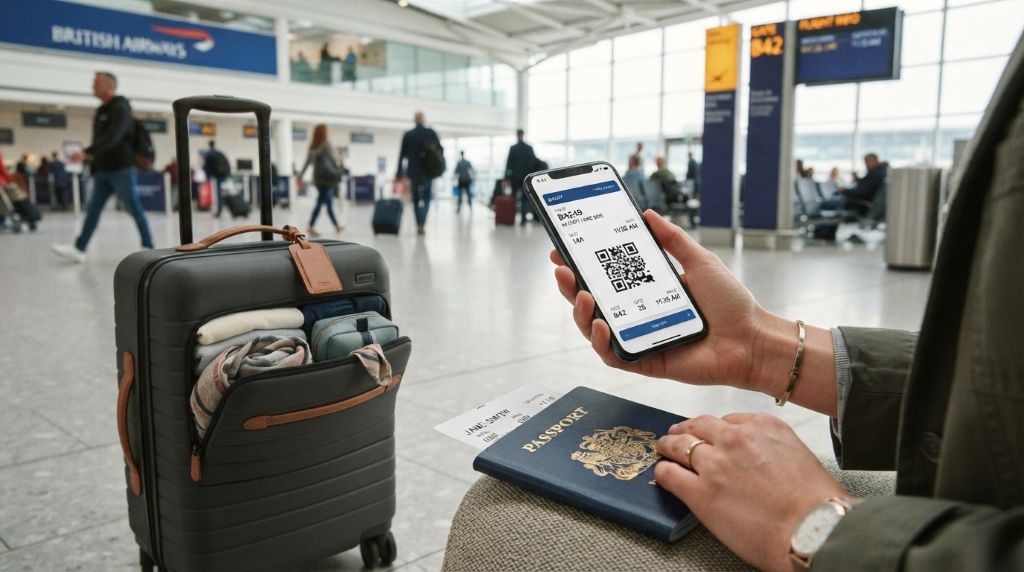
Logistics and documentation often get overlooked during vacation planning. However, missing paperwork or poor logistics planning can create significant stress during travel. Therefore, preparing these details early prevents last-minute complications.
Booking timing has become an important consideration for many travelers. Many travelers plan their bookings well in advance of their actual travel dates. Additionally, early booking often provides access to better pricing and availability. Therefore, planning logistics early supports both convenience and cost savings.
Documentation requirements vary significantly based on destination and travel type. International trips often require valid passports, visas, or specific health documentation. Therefore, confirming these requirements early prevents unexpected complications closer to departure.
Transportation logistics also deserve careful attention. Confirming flight times, airport transfers, and local transportation options reduces day-of-travel stress. Additionally, keeping digital and physical copies of important documents provides useful backup protection.
Here are quick logistics tips before your next trip:
- Confirm passport, visa, and health documentation requirements early.
- Book flights and accommodations well ahead of your travel dates.
- Keep both digital and physical copies of important documents.
- Plan airport transfers and local transportation in advance.
Careful logistics planning helps your vacation start smoothly, without unnecessary last-minute stress.
Conclusion
Planning a successful vacation requires more than simply choosing a destination. Setting a realistic budget, researching your destination, and considering travel insurance all support a smoother trip. Learning how to build a flexible travel plan can also help you adjust your schedule when unexpected changes arise. Planning activities and logistics in advance further reduces unnecessary stress along the way. Together, these steps help transform vacation planning from overwhelming to genuinely exciting.
As travel demand continues growing, thoughtful preparation matters more than ever. Before booking your next trip, take time to work through these essential considerations. A little upfront planning can lead to a far more relaxing, enjoyable vacation experience.
Frequently Asked Questions
How far in advance should I start planning a vacation?
Several months ahead works well, especially for international trips requiring documentation or visas.
Is travel insurance really necessary for every trip?
It depends on the trip, but insurance offers valuable protection for costly or international travel.
Should I rely on AI tools to plan my entire vacation?
Not entirely. Use AI for inspiration, but confirm bookings through trusted, verified sources.
What is the best way to save money on vacation costs?
Travel during off-season periods and look for early booking discounts whenever possible.
How much unstructured time should I include in my itinerary?
Enough to stay flexible. Avoid overplanning every hour of your trip schedule.