
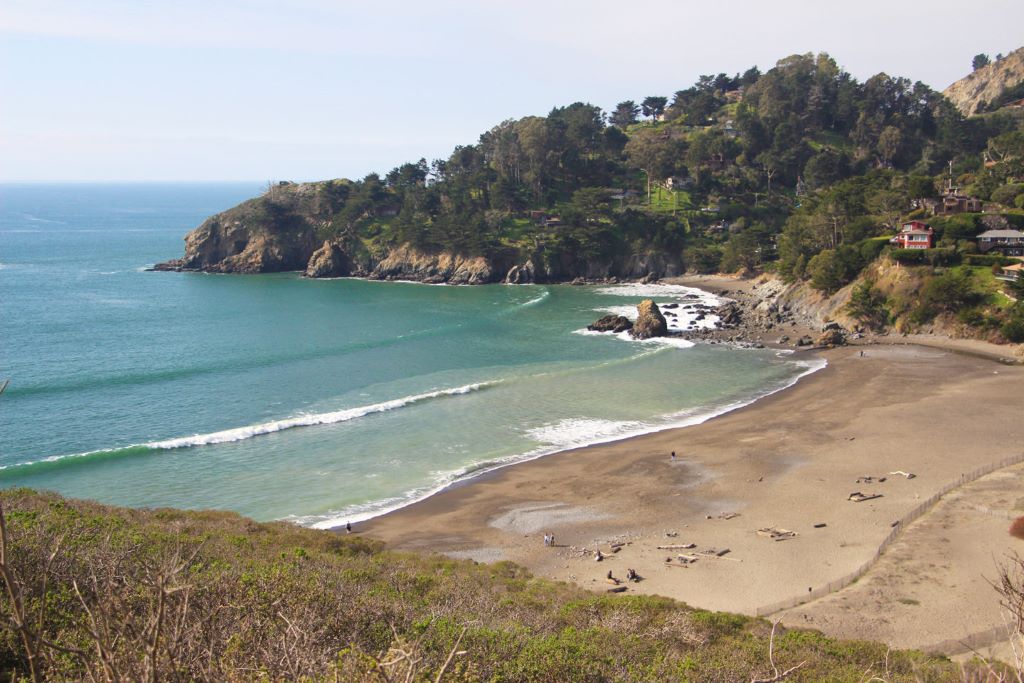
California’s coastline stretches over 840 miles, dotted with world-famous beaches like Santa Monica, Venice, and Malibu. Yet, beyond these crowded hotspots lie a treasure trove of secluded coves, rugged shorelines, and serene stretches of sand waiting to be discovered. In 2026, over 70% of travelers to California reported seeking out less crowded, more authentic beach experiences, according to a survey by Visit California. The allure of hidden beaches in California lies in their untouched beauty, tranquility, and the sense of discovery they offer. This guide provides actionable insights to help you uncover secret beach spots, escape the tourist hordes, and enjoy a truly unique California coastal travel experience.
Why Hidden Beaches in California Are Worth Exploring
California’s iconic beaches often come with crowds, noise, and commercialization, which can detract from the peaceful, natural experience many travelers seek. Hidden beaches in California, on the other hand, offer a chance to connect with nature, enjoy solitude, and experience the raw beauty of the state’s coastline. A 2025 report by the California Coastal Commission highlighted that visitors to lesser-known beaches reported higher satisfaction rates, citing cleaner shores, fewer people, and a greater sense of adventure.
Additionally, exploring secret beach spots allows you to discover unique landscapes that many tourists overlook. From dramatic sea caves and tide pools teeming with marine life to stretches of sand backed by towering cliffs or lush forests, these hidden gems provide a more intimate and memorable beach getaway.
Key Strategies to Find Hidden Beaches in California
1. Venture Beyond the Obvious Hotspots
California’s most famous beaches are often the most crowded. To find hidden beaches in California, look beyond the well-trodden paths of Los Angeles, San Diego, and Santa Barbara. Consider exploring the following lesser-known regions:
- Northern California: The rugged coastline north of San Francisco offers a wild and untamed beauty. Destinations like Salt Point State Park, Bodega Bay, and the Lost Coast provide secluded beaches with dramatic scenery.
- Central Coast: Stretching from Santa Cruz to San Luis Obispo, this region is home to some of California’s most stunning and least crowded beaches. Think of places like Pfeiffer Beach in Big Sur or Jalama Beach in Santa Barbara County.
- Channel Islands: Often referred to as the “Galápagos of North America,” the Channel Islands National Park offers pristine beaches accessible only by boat. Anacapa, Santa Cruz, and Santa Rosa Islands are particularly noteworthy.
- Orange County: While known for its busy beaches like Huntington and Newport, Orange County also hides quieter spots such as Table Rock Beach and Little Corona del Mar.
Additionally, consider visiting beaches that require a bit of effort to reach, such as those accessible only by hiking trails or boat. These often see fewer visitors due to the extra work involved.
2. Use Local Resources and Apps
Local knowledge is invaluable when it comes to uncovering secret beach spots. Tap into the following resources to find hidden beaches in California:
- Ask Locals: Strike up conversations with residents, surfers, or shop owners in coastal towns. They often know the best-kept secrets and can point you toward lesser-known beaches.
- Visit Local Visitor Centers: Staff at visitor centers and ranger stations are fountains of information. They can provide maps, tips, and recommendations for hidden beaches in the area.
- Join Online Communities: Websites like Reddit (e.g., r/California or r/beach) and Facebook groups dedicated to California travel often have discussions about off-the-beaten-path beaches. Users frequently share personal experiences and recommendations.
- Use Apps: Apps like AllTrails, The Dyrt, and iOverlander can help you discover hidden beaches and read reviews from other travelers. Google Maps’ satellite view can also reveal secluded coves and beaches that aren’t well-marked.
Additionally, look for blogs or travel guides written by locals or seasoned California travelers. These often include detailed descriptions and directions to secret beach spots.
3. Explore State and National Parks
California’s state and national parks are home to some of the most beautiful and least crowded beaches. These protected areas often require a bit of effort to reach, which helps keep the crowds at bay. Some top picks include:
- Point Reyes National Seashore: Located just north of San Francisco, this park offers stunning, windswept beaches like Limantour Beach and Wildcat Beach. The park’s remote location and rugged terrain make it a haven for those seeking solitude.
- Julia Pfeiffer Burns State Park: Home to McWay Falls, an 80-foot waterfall that cascades directly onto the beach. The park’s McWay Cove is a hidden gem, accessible via a short but steep hike.
- Andrew Molera State Park: Located in Big Sur, this park features a secluded beach at the mouth of the Big Sur River. The hike to the beach is relatively easy and rewards visitors with stunning views and a peaceful atmosphere.
- Torrey Pines State Natural Reserve: While not entirely hidden, the beaches within this reserve near San Diego are less crowded than nearby tourist hotspots. The reserve’s trails lead to secluded stretches of sand and dramatic cliffs.
Additionally, consider visiting beaches within national parks like Channel Islands or Redwood National and State Parks. These areas are often overlooked by tourists but offer incredible natural beauty.
4. Look for Beaches with Limited Access
Beaches that are difficult to access—whether due to a long hike, a steep trail, or the need for a boat—are often the most secluded. While these may require more effort, the reward is a peaceful, crowd-free experience. Some examples of hidden beaches in California with limited access include:
- El Matador Beach (Malibu): While not entirely unknown, this beach requires a steep descent down a cliffside trail. The effort deters many visitors, leaving the beach relatively quiet.
- Corral Beach (Malibu): Accessible via a long, steep staircase, this beach is often empty, even on weekends. Its secluded location and stunning rock formations make it a favorite among photographers.
- Salt Creek Beach (Dana Point): This beach is tucked away at the end of a residential neighborhood and requires a short walk down a set of stairs. It’s a great spot for tide pooling and enjoying the ocean in solitude.
- Little Beach (Avila Beach): A small, secluded cove accessible via a short but steep trail. It’s a popular spot for locals but often overlooked by tourists.
Additionally, consider beaches that are only accessible at low tide. These hidden beaches in California often reveal themselves as the tide recedes, providing a unique and temporary escape.
5. Time Your Visit Strategically
Timing is everything when it comes to enjoying hidden beaches in California. Even the most secluded spots can get busy during peak times. To maximize your chances of having a beach to yourself:
- Visit During Off-Peak Seasons: California’s beaches are busiest during the summer months (June–August). Consider visiting during the shoulder seasons (spring and fall) or even winter for a quieter experience.
- Go on Weekdays: Weekends and holidays attract the most visitors. If possible, plan your beach visits for weekdays when crowds are thinner.
- Arrive Early or Late: Sunrise and sunset are magical times to visit the beach, and you’re more likely to have the place to yourself. Additionally, the lighting during these times is perfect for photography.
- Check Tide Charts: Some hidden beaches in California are only accessible or most enjoyable at certain tide levels. Use apps like Tide Forecast or NOAA Tides & Currents to plan your visit around the tides.
Additionally, avoid visiting during major events or festivals, which can draw crowds to even the most remote areas.
6. Respect the Environment and Local Regulations
California’s hidden beaches are often fragile ecosystems that require extra care and respect. Follow these guidelines to preserve these special places:
- Leave No Trace: Pack out all trash, including food scraps and cigarette butts. Leave the beach as clean as—or cleaner than—you found it.
- Respect Wildlife: Observe animals from a distance and do not feed or approach them. Keep pets leashed where required and clean up after them.
- Follow Local Rules: Some beaches may have restrictions on fires, alcohol, or camping. Always check for posted signs or ask local authorities about regulations.
- Protect Natural Features: Avoid trampling vegetation, disturbing sand dunes, or removing rocks, shells, or other natural items. These actions can harm the environment and detract from the beauty of the beach for future visitors.
Additionally, consider participating in a beach cleanup or conservation effort. Organizations like the California Coastal Commission and Heal the Bay often host events to protect the state’s coastline.
7. Consider Guided Tours or Local Experiences
If you’re unsure where to start or want to learn more about California’s hidden beaches, consider booking a guided tour or experience. Local guides can take you to secret beach spots that you might not discover on your own. Some options include:
- Kayaking Tours: Explore sea caves and hidden coves by kayak. Companies in areas like La Jolla, Big Sur, and Mendocino offer guided tours that include stops at secluded beaches.
- Surfing Lessons: Many surf schools in California offer lessons at lesser-known beaches. This can be a fun way to experience a hidden gem while learning a new skill.
- Photography Workshops: Some photographers offer workshops focused on capturing the beauty of California’s hidden beaches. These can provide access to secret beach spots while improving your photography skills.
- Eco-Tours: Companies specializing in eco-tourism often visit off-the-beaten-path beaches and provide insights into the local flora, fauna, and conservation efforts.
Additionally, look for local meetups or groups focused on outdoor activities. Websites like Meetup.com often list events like beach cleanups, group hikes, or photography outings that can introduce you to hidden beaches in California.
Professional Tips to Find Hidden Beaches in California
Tip 1: Use Satellite Imagery
Satellite imagery on Google Maps or Google Earth can reveal hidden beaches in California that aren’t well-marked or publicized. Look for small coves, stretches of sand, or areas where the coastline indents. These often indicate secluded beaches that are worth exploring. Once you’ve identified a potential spot, use other resources (like local blogs or apps) to confirm its accessibility and suitability.
Tip 2: Talk to Surfers and Fishermen
Surfers and fishermen often have intimate knowledge of the coastline and can point you toward hidden beaches in California that are off the tourist radar. Strike up a conversation at a local surf shop, bait and tackle store, or beachside café. They may share tips on the best times to visit, how to access the beach, and what to expect.
Tip 3: Explore During Low Tide
Low tide can reveal hidden beaches in California that are submerged or inaccessible during high tide. Use tide charts to plan your visit during low tide, and keep an eye out for newly exposed sandbars, tide pools, or coves. These areas can provide a unique and temporary beach experience.
Tip 4: Look for Beaches Near State Parks or Reserves
Beaches located near or within state parks, national parks, or nature reserves are often less crowded due to their protected status. These areas are typically well-preserved and offer a more natural experience. Check the websites of California State Parks or the National Park Service for information on beaches within their boundaries.
Tip 5: Rent a Boat or Join a Charter
Some of California’s most hidden beaches are only accessible by water. Rent a kayak, paddleboard, or boat to explore coastal areas that are off-limits to those on foot. Alternatively, join a boat charter or tour that includes stops at secluded beaches. This can be a great way to access remote spots while enjoying a unique perspective of the coastline.
Reviews: Success Stories from California Travelers
Travelers who have ventured off the beaten path have discovered some of California’s most breathtaking and secluded beaches. A couple from San Francisco planned a weekend getaway to the Lost Coast, where they explored hidden beaches accessible only by a long hike. The effort was rewarded with stunning views, complete solitude, and the chance to see wildlife like seals and whales up close.
Meanwhile, a group of friends from Los Angeles took a kayaking tour in La Jolla, which included a stop at a secret beach spot accessible only by water. They enjoyed snorkeling in the clear waters and picnicking on the sand, far from the crowds of La Jolla Cove.
Another example is a solo traveler from San Diego who used local tips and tide charts to discover a hidden beach near Encinitas. By arriving early in the morning, she had the entire stretch of sand to herself and enjoyed a peaceful sunrise with a cup of coffee.
Secret Beach Spots: Hidden Gems Across California
Here’s a curated list of hidden beaches in California, organized by region, to inspire your next beach getaway:
Northern California
- Salt Point State Park (Sonoma County): A rugged and wild coastline with secluded beaches, tide pools, and dramatic rock formations. The park’s Gerstle Cove is a hidden gem for snorkeling and wildlife viewing.
- Bodega Bay (Sonoma County): While the town itself is well-known, the nearby beaches like Salmon Creek Beach and Doran Beach offer a quieter experience. The area is also great for whale watching.
- Lost Coast (Mendocino and Humboldt Counties): One of the most remote and untouched stretches of coastline in California. Beaches like Kinsey Creek and Buck Creek are accessible only by hiking and offer complete solitude.
- Trinidad State Beach (Humboldt County): A small, picturesque beach with a charming lighthouse and stunning views. It’s a great spot for tide pooling and photography.
Central Coast
- Pfeiffer Beach (Big Sur): Known for its purple sand and the iconic Keyhole Arch, this beach is a favorite among photographers. The beach is accessible via a short but steep hike.
- Jalama Beach (Santa Barbara County): A remote and windswept beach with a rustic store and grill. The long, scenic drive to Jalama Beach deters many visitors, making it a peaceful escape.
- Montaña de Oro State Park (San Luis Obispo County): This park features several hidden beaches, including Spooner’s Cove and Hazard Canyon Beach. The beaches are surrounded by cliffs and offer great opportunities for hiking and wildlife viewing.
- Pismo Beach (San Luis Obispo County): While Pismo Beach itself can be busy, the nearby Shell Beach and Dinosaur Caves Park offer quieter stretches of sand and interesting geological features.
Southern California
- El Matador Beach (Malibu): A stunning beach with sea stacks, caves, and tide pools. The steep trail down to the beach keeps crowds at bay, making it a favorite for photographers and nature lovers.
- Corral Beach (Malibu): A secluded cove accessible via a long staircase. Its dramatic rock formations and clear waters make it a hidden gem.
- Salt Creek Beach (Dana Point): A small, secluded beach at the end of a residential neighborhood. It’s a great spot for tide pooling and enjoying the ocean in peace.
- Little Corona del Mar (Newport Beach): A hidden cove with tide pools, cliffs, and a natural bridge. It’s a popular spot for locals but often overlooked by tourists.
- Table Rock Beach (Laguna Beach): A small, picturesque beach accessible via a steep trail. The beach is surrounded by cliffs and offers stunning views of the coastline.
Channel Islands
- Anacapa Island (Ventura County): The smallest of the Channel Islands, Anacapa offers secluded beaches, sea caves, and incredible wildlife viewing. Accessible only by boat, the island’s isolation ensures a peaceful experience.
- Santa Cruz Island (Ventura County): The largest of the Channel Islands, Santa Cruz Island features hidden beaches like Scorpion Anchorage and Prisoners Harbor. The island’s rugged terrain and remote location make it a true escape.
- Santa Rosa Island (Ventura County): Home to Torrey Pines, a unique and endangered tree species, as well as secluded beaches and sand dunes. The island’s remoteness ensures a quiet and untouched experience.
California Coastal Travel: What to Pack for Hidden Beaches
Exploring hidden beaches in California often requires a bit more preparation than visiting well-developed tourist spots. Pack the following essentials to ensure a comfortable and enjoyable experience:
- Navigation Tools: A map (paper or digital), compass, or GPS device. Cell service can be unreliable in remote areas.
- Sun Protection: Sunscreen (reef-safe if possible), a wide-brimmed hat, and UV-protective sunglasses. The California sun can be intense, even on cloudy days.
- Layers: A lightweight jacket or sweater for cooler evenings or windy conditions. Even in summer, coastal areas can get chilly.
- Sturdy Footwear: Water shoes or hiking sandals for rocky shores or trails. Flip-flops may not be sufficient for some hidden beaches.
- Water and Snacks: Bring plenty of water and non-perishable snacks, as facilities may be limited or nonexistent.
- Towel and Change of Clothes: A quick-dry towel and a change of clothes in case you get wet or sandy.
- First Aid Kit: Bandages, antiseptic wipes, and any personal medications. Include a small kit for treating minor cuts or scrapes.
- Trash Bag: Pack out all trash to leave the beach clean. A small, reusable bag is ideal for collecting waste.
- Camera or Smartphone: Capture the beauty of your surroundings. Consider a waterproof case or dry bag to protect your device.
- Tide Charts: If visiting a beach that’s only accessible at low tide, bring a tide chart to plan your visit safely.
Additionally, consider bringing a book, binoculars for wildlife viewing, or a picnic lunch to enjoy during your time at the beach.
Beach Getaway: Common Mistakes to Avoid
1. Not Checking Tide Charts
Some hidden beaches in California are only accessible or safe to visit during low tide. Failing to check tide charts can leave you stranded or in a dangerous situation. Always plan your visit around the tides and be aware of the local tide patterns.
2. Ignoring Local Advice
Locals often have the best knowledge of hidden beaches, including how to access them, the best times to visit, and any potential hazards. Ignoring their advice can lead to disappointment or even danger.
3. Underestimating the Hike
Many hidden beaches require a hike to reach, and the trails can be steep, rocky, or long. Underestimating the difficulty of the hike can lead to exhaustion or injury. Always research the trail conditions and bring appropriate footwear, water, and snacks.
4. Forgetting Sun Protection
California’s sun can be intense, even on cloudy days. Forgetting sunscreen, a hat, or sunglasses can result in sunburn or heat exhaustion. Always pack sun protection and reapply sunscreen regularly.
5. Leaving Valuables Unattended
Even secluded beaches can attract opportunistic thieves. Never leave valuables unattended in your car or on the beach. Use a waterproof pouch or dry bag to keep your phone, keys, and wallet safe while you swim or explore.
6. Disrespecting the Environment
Hidden beaches are often fragile ecosystems. Disrespecting the environment by littering, trampling vegetation, or disturbing wildlife can harm these special places. Always follow Leave No Trace principles and respect local regulations.
7. Not Packing Enough Water
Staying hydrated is crucial, especially in California’s warm climate. Not packing enough water can lead to dehydration, fatigue, or heatstroke. Always bring more water than you think you’ll need.
Related Topics:
FAQs About Finding Hidden Beaches in California
1. What are the best hidden beaches in Northern California?
Some of the best hidden beaches in Northern California include Salt Point State Park, Bodega Bay, the Lost Coast, and Trinidad State Beach. These areas offer secluded stretches of sand, dramatic scenery, and a peaceful atmosphere.
2. How do I find secret beach spots in California?
Use local resources like visitor centers, online communities, and apps like AllTrails or iOverlander. Additionally, ask locals, explore state and national parks, and look for beaches with limited access.
3. What should I pack for a hidden beach getaway?
Pack navigation tools, sun protection, layers, sturdy footwear, water and snacks, a towel, a first aid kit, a trash bag, and a camera. Consider bringing a tide chart if visiting a beach that’s only accessible at low tide.
4. Are there any hidden beaches near Los Angeles?
Yes, some hidden beaches near Los Angeles include El Matador Beach, Corral Beach, and Little Corona del Mar. These beaches are often less crowded due to their secluded locations or the effort required to reach them.
5. What are the best hidden beaches for photography?
Some of the best hidden beaches for photography in California include Pfeiffer Beach (known for its purple sand and Keyhole Arch), McWay Cove in Julia Pfeiffer Burns State Park, and the sea caves of Channel Islands National Park.
6. How do I access beaches that are only reachable at low tide?
Check tide charts before your visit and plan to arrive during low tide. Use apps like Tide Forecast or NOAA Tides & Currents to track tide levels. Always be aware of the tide’s timing to avoid getting stranded.
7. What are the best hidden beaches for a romantic getaway?
For a romantic getaway, consider hidden beaches like Salt Creek Beach in Dana Point, Table Rock Beach in Laguna Beach, or the secluded coves of the Channel Islands. These spots offer privacy, stunning scenery, and a peaceful atmosphere.
Conclusion
Finding hidden beaches in California is a rewarding adventure that allows you to experience the state’s coastline in a more intimate and authentic way. By venturing beyond the obvious hotspots, using local resources, and respecting the environment, you can uncover secret beach spots that offer solitude, natural beauty, and a sense of discovery. The professional tips and success stories in this guide provide a roadmap to help you explore California’s hidden gems and create lasting memories.
California’s coastline is vast and diverse, offering endless opportunities for exploration. Start by researching lesser-known regions, talking to locals, and planning your visit strategically. As you explore, remember to leave no trace, respect wildlife, and follow local regulations to preserve these special places for future visitors.
Don’t let the crowds deter you from experiencing California’s beaches. With the right approach, you can find hidden beaches in California that offer a peaceful escape and a true connection with nature. Take the first step today by researching a new destination, packing your beach essentials, or talking to a local for recommendations. Your next beach getaway awaits—start planning now!